One of the only general dentists in North Texas who performs IV Sedation

Established roots, advanced care.

Bone Graft

Healthy jawbone structure is essential for maintaining strong teeth and supporting many dental treatments. When bone loss occurs due to tooth loss, gum disease, or trauma, the jaw may no longer have enough density to properly support a dental implant or maintain facial structure. At Koelker Dental, we provide bone grafting procedures to help rebuild and strengthen the jawbone for improved oral health and future dental treatment.
Bone grafting is a common procedure that restores lost bone by placing specialized grafting material in areas where the jawbone has weakened or deteriorated. Over time, this material integrates with the existing bone, encouraging new bone growth and creating a stronger, more stable foundation.

Why Bone Grafting May Be Needed

Bone loss in the jaw can occur for several reasons. When a tooth is missing for an extended period, the surrounding bone no longer receives stimulation from chewing forces, which can cause it to shrink over time. Gum disease and injury can also contribute to bone deterioration.

Bone grafting may be recommended to:

  • Restore lost bone in the jaw
  • Prepare the jaw for dental implant placement
  • Maintain facial structure and support
  • Prevent further bone deterioration
  • Improve overall oral health and stability


By rebuilding bone structure, grafting helps create a healthier foundation for both natural teeth and dental restorations.
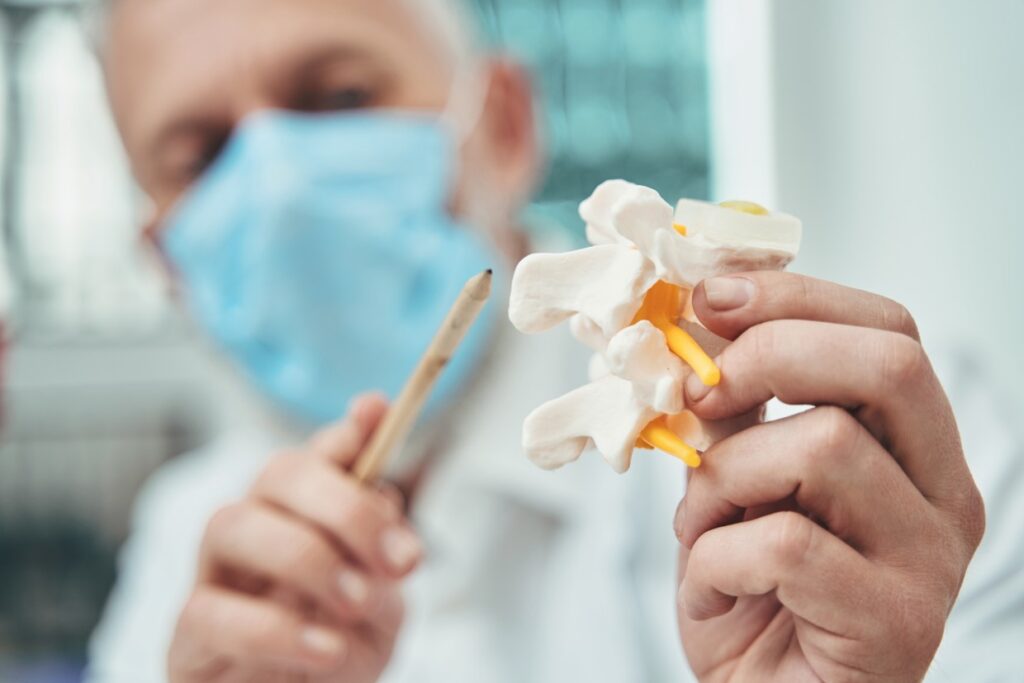
Doctor explaining bone structure with a medical model during patient education

Bone Grafting for Dental Implants

One of the most common reasons for bone grafting is to prepare the jaw for dental implant treatment. Dental implants require sufficient bone density for proper placement and long-term stability.

If the jawbone has weakened or shrunk after tooth loss, a bone graft may be performed to rebuild the area before implant placement. This process helps ensure that the implant has a strong and secure foundation.

The Bone Grafting Procedure

Bone grafting is typically performed as a minor surgical procedure. During treatment, grafting material is placed in the area where bone support is needed. The body gradually integrates the material and stimulates new bone growth.

The process generally includes:

  1. A thorough evaluation and diagnostic imaging
  2. Placement of the bone graft material
  3. Healing time to allow new bone to develop
  4. Follow-up care to monitor progress


Healing time can vary depending on the extent of the graft and the patient’s individual healing response.

Comfort-Focused Care

At Koelker Dental, patient comfort is always a priority. Bone grafting procedures are carefully planned and performed using gentle techniques and modern technology to ensure a comfortable experience.

Our team provides clear communication throughout treatment so you understand each step of the process and feel confident about your care.

Supporting Long-Term Oral Health

Bone grafting not only prepares the jaw for restorative treatments but also helps protect the long-term health of your smile. By restoring lost bone structure, this procedure can improve stability, maintain facial support, and create better conditions for future dental treatments.

Schedule a Consultation

If you have been told you may not have enough bone for dental implants or have experienced jawbone loss, bone grafting may help restore the strength and structure needed for treatment.

Contact Koelker Dental today to schedule a consultation and learn whether bone grafting is right for you.

Koelker Dental logo for the Allen, TX dental practice

Need To Schedule OR Have A Question?

Contact Us - Form

Bone Graft FAQ

Why would I need a dental bone graft?
A dental bone graft may be recommended when the jawbone has lost volume or strength due to tooth loss, gum disease, infection, or trauma. Bone grafting helps rebuild support in areas where future dental treatment, such as dental implants, may be needed.
Not every patient needs bone grafting before dental implants. A bone graft may be recommended if there is not enough healthy bone to support an implant securely.
During a bone graft, grafting material is placed in the area where additional bone support is needed. Over time, the body integrates the material and helps create a stronger foundation for future treatment.
Healing time depends on the size of the graft, the treatment area, and your individual healing response. Dr. Koelker will explain what to expect based on your specific treatment plan.

The treatment area is numbed during the procedure. Tenderness, swelling, or soreness may occur afterward, but the experience and recovery vary according to the location and extent of the graft.